
Best budget projectors for home setups in 2026 are good enough for real “movie night,” but only if you match the projector to your room, screen size, and habits instead of chasing the biggest spec number.
If you have ever bought a “1080p” projector that looks dim, struggles with focus, or lags during streaming, you already know the trap: budget models vary wildly in brightness, reliability, and support. The goal here is to help you spend like an adult, not like someone gambling on a flashy listing.
Below you will find a practical buying framework, a comparison table, and a few common “good enough” setups for apartments, bedrooms, and dedicated home theaters. I will also point out what to ignore, because that is where most money gets burned.
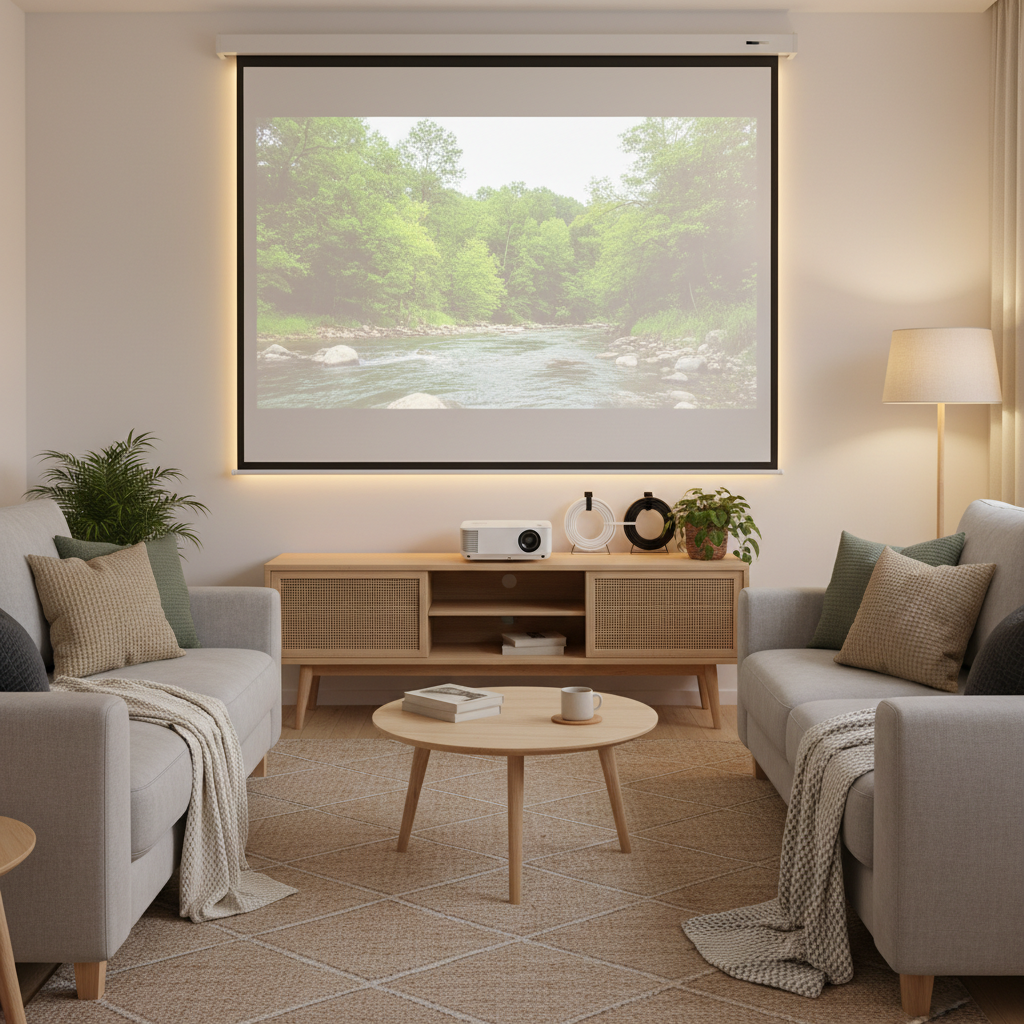
What “budget” really means for a home theater projector in 2026
In the U.S. market, “budget” usually means you are choosing between three lanes: entry-level name-brand projectors, portable lifestyle models, and no-name imports that look impressive on paper. The first two lanes tend to be less exciting on spec sheets, but less painful long-term.
- Entry-level home theater (often 1080p): usually better optics, better scaling, more predictable support.
- Portable/lifestyle: convenient, often smart features, but brightness and black level can be the trade-off.
- Ultra-cheap “spec monsters”: may look great in listings, yet focus uniformity, color accuracy, and longevity can be inconsistent.
One more reality check, brightness claims can be confusing. According to ANSI (the American National Standards Institute), ANSI lumens refers to a standardized way to measure projector brightness, while many listings use non-standard “lux” or “LED lumens,” which do not compare cleanly across brands.
Quick comparison table: how to choose without overthinking it
This table is not a “top picks list” with pretend rankings, it is a cheat sheet for narrowing options fast.
| Room / Use | Target brightness | Resolution sweet spot | Throw/placement | What to prioritize |
|---|---|---|---|---|
| Bedroom, lights off | 300–800 ANSI lumens (often enough) | 1080p | Short-to-mid throw | Quiet fan, decent speakers, easy focus |
| Living room, some ambient light | 800–1500+ ANSI lumens | 1080p or 4K input | Flexible zoom or careful measuring | Brightness, color, keystone limits |
| Dedicated home theater | 1000–2000 ANSI lumens (screen dependent) | 1080p strong or true 4K | Lens shift helps a lot | Contrast, black level, placement controls |
| Gaming on a budget | 700–1500 ANSI lumens | 1080p at 60Hz | Stable mount/stand | Low input lag, game mode, good HDMI |
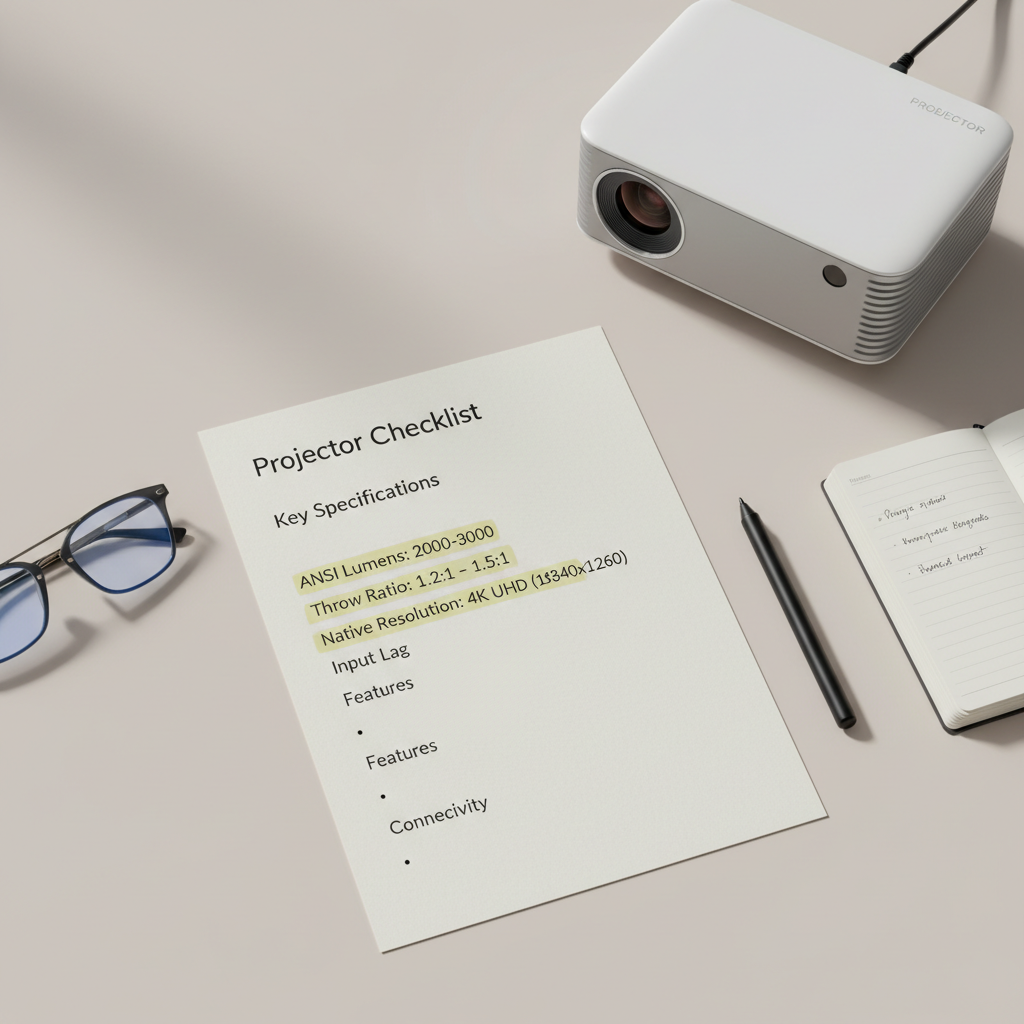
The 7 specs that matter (and the ones that waste your time)
When people search for the best budget projectors for home, they often fixate on 4K and huge contrast numbers. In practice, these items decide whether you enjoy the projector after week two.
Specs worth caring about
- ANSI lumens (or credible brightness rating): if you cannot find a reliable measurement, treat the listing cautiously.
- Native resolution: native 1080p is often the comfort zone for budget home theater.
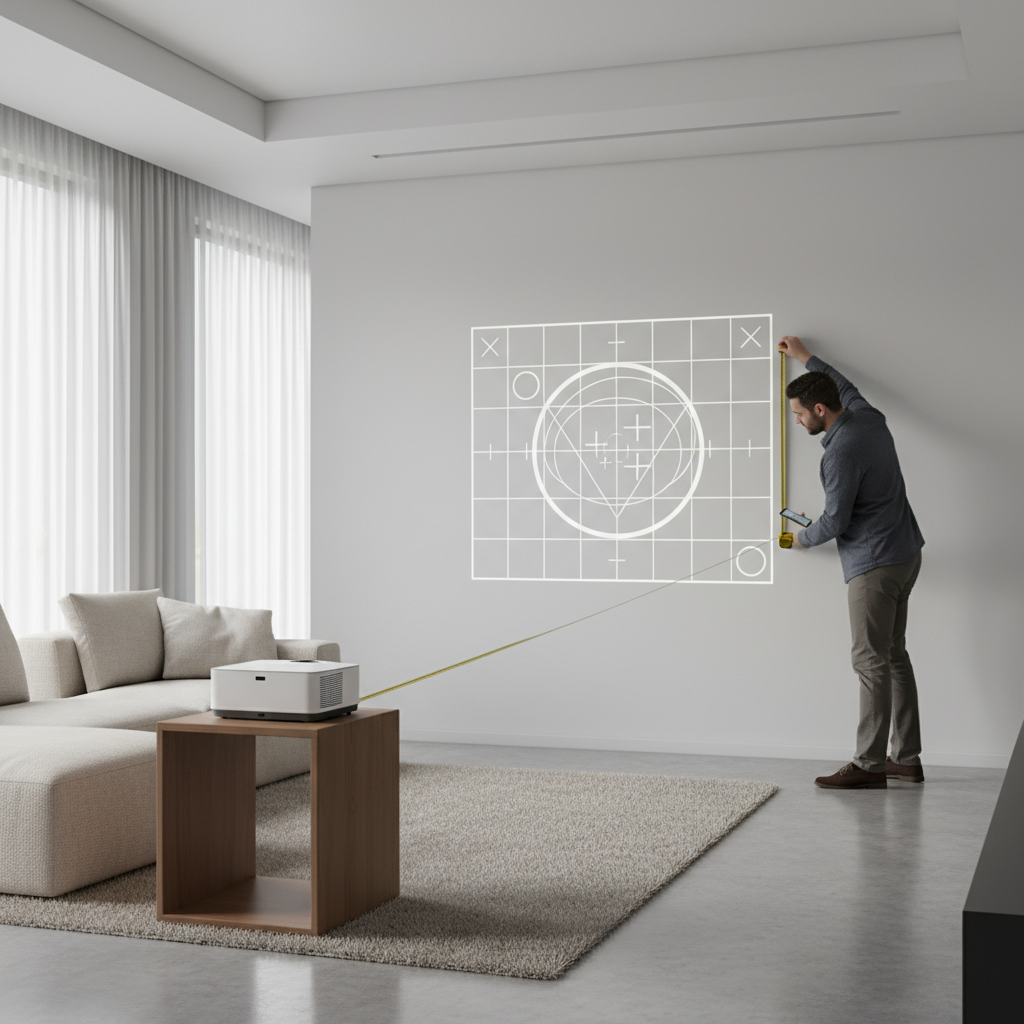
- Throw ratio / zoom: this determines whether the image fits your wall without awkward placement.
- Focus uniformity: some cheaper optics look sharp in the center and blurry at the edges.
- Input lag: if you game, you will feel it, even if you cannot “measure” it.
- Noise and heat: a loud fan ruins quiet scenes, and heat affects small rooms.
- Warranty and return policy: boring, but it becomes the best feature when something goes wrong.
Specs to treat as marketing
- “10,000,000:1 contrast” style claims on budget units, real-world contrast rarely matches the headline.
- “4K supported”: sometimes it just means it accepts a 4K signal but displays lower native resolution.
- Extreme keystone promises: heavy digital correction can soften the picture and add artifacts.
Fast self-check: which budget projector type fits your space?
If you are stuck between three models that all “look the same,” answer these and you will usually see the correct lane.
- Can you control light? If not, prioritize brightness and consider a screen that handles ambient light better.
- How big is your target image? 80–100 inches is forgiving, 120+ inches exposes weak brightness fast.
- Where will the projector sit? Shelf behind the couch, coffee table, ceiling mount, each has different needs.
- Do you hate fiddling? If yes, avoid models that rely on constant keystone and re-focusing.
- Streaming plan? Built-in “smart” can be convenient, but an external streamer often stays faster and more updatable.
One small but useful mindset, buy for the room you actually have, not the room you plan to have “soon.” Most projectors live in the same spot for years.
Practical setups that work: three “good budget” paths
Instead of chasing one magic product, pick a path and build around it. That is how you end up with a home theater that feels intentional.
Path A: Dark-room movie nights (best value)
- Projector: native 1080p, solid optics, reasonable ANSI lumens.
- Placement: stable stand or mount, minimal keystone.
- Audio: simple soundbar or powered speakers, because projector speakers are rarely satisfying.
This is where best budget projectors for home searches usually land, and for good reason, the experience per dollar can be excellent when you can dim the room.
Path B: Living room flexibility (convenience first)
- Projector: brighter unit, even if blacks look a bit gray.
- Screen: consider a basic screen instead of wall paint, it often improves perceived contrast.
- Control: use curtains or smart bulbs to reduce glare quickly.
Path C: Budget gaming + sports
- Projector: prioritize input lag and motion handling, not just resolution.
- Connection: quality HDMI cable, direct connection to console when possible.
- Mode: game mode on, extra processing off.
According to HDMI Forum, certified HDMI cables are designed to meet specific bandwidth requirements, which matters more when you push higher refresh rates or longer cable runs.
Step-by-step: buying and setting up without buyer’s remorse
If you want a clean, repeatable way to shop, this sequence keeps you from getting distracted by shiny features.
- Measure your throw: distance from lens to wall or screen, then check the throw range for your target size.
- Decide image size: pick a realistic diagonal for your seating distance, and stick to it.
- Lock the light plan: curtains, lamp placement, and wall color matter more than people admit.
- Choose audio early: budget for sound, because even a great picture feels “cheap” with thin audio.
- Confirm inputs: HDMI count, ARC/eARC needs, and whether you need a USB-C solution.
- Buy from a place with easy returns: do not gamble if you are unsure about brightness or focus.
Common mistakes budget buyers make (and how to avoid them)
Most frustration comes from a few repeat offenders. Fix these and even an inexpensive projector can feel “right.”
- Using heavy keystone as a crutch: it solves shape, but can reduce sharpness, try to align physically first.
- Projecting onto a textured wall: texture looks like noise in bright scenes, a simple screen can be a bigger upgrade than a new projector.
- Ignoring fan noise: in a bedroom, a loud unit becomes the only thing you hear during quiet dialogue.
- Overbuying resolution: a dim “4K” image can look worse than a bright, sharp 1080p picture.
- Assuming built-in streaming stays smooth: external streamers often age better than budget smart platforms.
If you want a quick gut-check, if the listing pushes huge numbers but avoids basics like throw ratio, ports, warranty, and noise, that is usually a sign to slow down.
Key takeaways + a simple conclusion
Key points to remember:
- Brightness honesty beats resolution hype, especially in living rooms.
- Placement controls like zoom and lens shift reduce daily annoyance.
- Audio matters, plan for at least a soundbar or speakers.
- Returns and warranty are part of the budget, not an afterthought.
Conclusion: the “best” pick is the one that fits your room and routine. If you start with your lighting, screen size, and placement, you will narrow down the best budget projectors for home quickly, and you will like what you buy longer than the first weekend.
If you are ready to act, measure your throw distance tonight, then shortlist two or three models that fit that geometry, not the other way around.